2026 Top Borehole Filters for Efficient Water Supply Solutions?
Borehole filters play a crucial role in sustainable water supply solutions. The demand for clean water continues to rise. According to the World Health Organization, around 2 billion people lack access to safe drinking water. Borehole filters help reduce contaminants and enhance water quality.
In recent years, advancements in borehole filtration technology have gained attention. A report from the Global Market Insights reveals that the borehole filtration market is expected to grow significantly by 2026. The increasing need for efficient water supply systems drives innovation in this field.
However, challenges remain. Not all borehole filters are created equal. Some solutions may not provide adequate filtration, which can compromise water safety. Additionally, the installation and maintenance of these systems require skilled professionals. As we look toward 2026, selecting the right borehole filters must be a priority for communities and industries alike.
Key Features of Borehole Filters for Water Supply Efficiency
Borehole filters are crucial for ensuring clean and efficient water supply. These filters prevent sediment and contaminants from entering the groundwater. The key features of borehole filters greatly influence their performance and longevity.
One important aspect is the filter material. High-quality filtration media can enhance efficiency. A filter must trap small particles effectively while allowing water to flow freely. The size and shape of the filter holes significantly affect water flow rate and quality. A well-designed filter will balance these factors to optimize performance.
Another feature to consider is maintenance ease. Filters that require minimal upkeep help avoid disruptions in water supply. Regular checks should be effortless and quick. Moreover, durability is essential. Filters exposed to harsh conditions need to withstand wear over time. Users should ponder their specific needs before choosing a filter. Reflecting on filtration options ensures that the most suitable choice is made.
Types of Borehole Filters and Their Applications
Borehole filters play a crucial role in ensuring clean water supply. They come in various types, each serving specific needs. One common type is the sand filter. It effectively removes larger particles and sediments. This type is often used in rural areas where water quality may be poor.
Another effective option is the carbon filter. It enhances taste and removes contaminants like chlorine. These filters are often favored in domestic settings. However, they require regular maintenance. Neglecting this can lead to reduced effectiveness, which affects water quality.
Membrane filtration is another advanced method. It can remove smaller impurities even down to microns. This option is beneficial in industrial water applications. Yet, it can be costly and complex to install. Finding the right filter depends on specific water conditions. It's essential to assess these carefully for optimal results.
2026 Top Borehole Filters for Efficient Water Supply Solutions
| Filter Type |
Material |
Mesh Size (microns) |
Maximum Flow Rate (L/min) |
Application |
| Stainless Steel Filter |
Stainless Steel |
50 |
30 |
Drinking Water |
| Activated Carbon Filter |
Activated Carbon |
20 |
25 |
Sediment Removal |
| PVC Filter |
PVC |
100 |
40 |
Irrigation |
| Ceramic Filter |
Ceramic |
1-5 |
15 |
Potable Water |
| Wire Mesh Filter |
Steel Wire |
30 |
50 |
Industrial Use |
Factors to Consider When Choosing a Borehole Filter
When selecting a borehole filter, several factors come into play. The type of soil and rock formations drastically influence filter efficiency. A proper analysis of the geological conditions will help in choosing the right filter material. For instance, sandy soils require different filtration solutions compared to clay-heavy environments. Understanding this can lead to improved water quality.
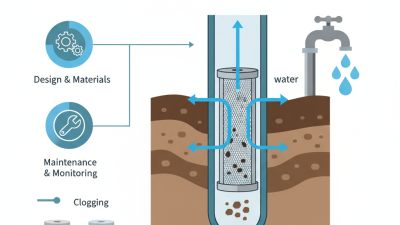
Another crucial aspect is the filter’s mesh size. Smaller mesh sizes provide finer filtration but may also clog faster. Regular maintenance is vital for long-lasting filters. It's essential to balance between filtration needs and maintenance efforts. Neglecting this can lead to unexpected costs or water supply disruption.
Lastly, consider the expected water yield. High-yield boreholes may require robust filtration systems that can handle increased flow rates. However, this can lead to oversizing the system, wasting resources. Finding a filter that is appropriately sized is a challenge but is necessary for efficient water management. Reflecting on these factors can lead to more informed decisions for sustainable water supply solutions.
Maintenance and Care for Borehole Filters
Borehole filters play a crucial role in ensuring clean water supply. Regular maintenance is vital for their optimal performance. Neglecting this can lead to contamination and reduced lifespan of the filters. One common mistake is to overlook the signs of wear and tear. Cracks or deposits can indicate a need for immediate attention.
Cleaning the filters often requires proper techniques. It’s essential to follow guidelines specific to the filter type. Rinsing the filters with clean water can help remove debris. However, using harsh chemicals can do more harm than good. Some users may not realize that excessive scrubbing can damage the filter surface.
Routine inspections are crucial. Checking for blockages and leaks should be part of any maintenance schedule. Documenting the condition of the filters can provide insights into their performance over time. This practice helps in identifying patterns that need addressing. Remember, an ignored filter can lead to costly repairs later. Maintaining your borehole filter is not just about cleaning; it’s about ensuring a reliable water supply.
Comparative Analysis of Top Borehole Filters for 2026
In 2026, the demand for effective borehole filters grows due to global water scarcity issues. A comprehensive analysis highlights the varying efficiencies of multiple filter options. According to industry reports, over 40% of groundwater resources are compromised by contaminants. This sobering statistic underlines the critical need for robust filtration solutions.
Recent studies indicate that sand and gravel filters remain popular due to their natural filtration capacity. They can remove particles as small as 20 microns, ensuring cleaner water. However, these filters can become inefficient if not regularly maintained. On the other hand, advanced membrane filters can eliminate particles as tiny as 0.1 microns, providing a higher level of protection. They are suitable for regions with severe contamination, yet their initial costs are significantly higher.
Despite the advancements in technology, many borehole systems face challenges. Some filters may not integrate well with existing systems, causing functionality issues. The reliability of water supply can fluctuate based on filter performance, prompting the need for ongoing assessments. Regular monitoring is essential to capture any decline in filtration effectiveness. Engaging with data and feedback systems can guide users toward better filter choices for their specific needs.