How to Choose the Best Activated Carbon Filter for Your Needs?
Choosing the right Activated Carbon Filter can seem overwhelming. Many options exist, each with its pros and cons. According to Dr. Lisa Martinez, a leading expert in water purification, “Selecting an Activated Carbon Filter is about understanding your specific needs.” This statement highlights the importance of personalized choices in filtration systems.
Activated Carbon Filters work by trapping contaminants through adsorption. They are effective against odors, chlorine, and volatile organic compounds. However, not all filters perform equally well. Seasonal changes or usage patterns can impact their effectiveness. This variability means consumers must consider their circumstances carefully.
It’s vital to assess both quality and specifications. Look for certifications, such as NSF or WQA, to ensure reliability. The filter size, contact time, and flow rate are also critical details that could affect performance. Remember, it’s not just about purchasing a filter; it’s about investing in clean air or water. Take the time to reflect on what suits your environment best.
Understanding Activated Carbon Filters and Their Applications
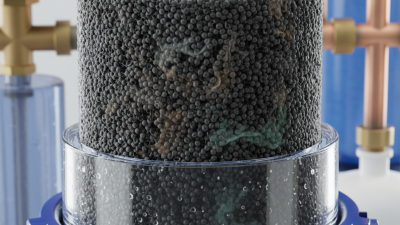
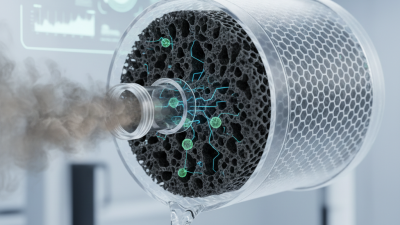
Activated carbon filters are effective tools for purifying air and water. These filters work through a process called adsorption, where contaminants adhere to the carbon surface. This process efficiently removes impurities, such as chlorine, odors, and volatile organic compounds, making them highly suitable for various applications.
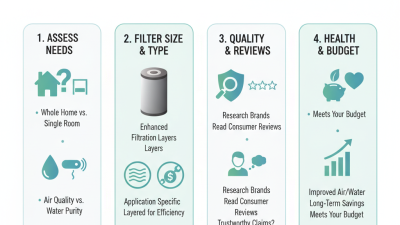
Choosing the right activated carbon filter involves understanding your specific needs. For instance, if you're concerned about air quality, look for filters designed for indoor use. Conversely, water filters focus on eliminating contaminants from drinking water. Not all filters are created equal, and some may be more effective with particular substances. Researching the filter's specifications can guide you in selecting the best option.
In some cases, users may experience challenges with filter effectiveness over time. This can happen if the filter becomes saturated or if incorrect filters are used for certain contaminants. Regular maintenance and replacement are crucial for ensuring optimal performance. Reflecting on your individual situation helps in making informed decisions about activated carbon filters.
How to Choose the Best Activated Carbon Filter for Your Needs?
Identifying the Key Factors for Choosing an Activated Carbon Filter
Choosing the right activated carbon filter can be challenging. Understanding key factors helps simplify this choice. The type of contaminants you need to address is paramount. For instance, studies show that activated carbon can reduce volatile organic compounds (VOCs) by up to 99%. This is critical in environments with high chemical exposure.
Look for the filter's adsorption capacity. This is a measure of how much contamination it can remove effectively. Filters with higher capacities tend to last longer but can be costlier. It's tempting to save money by choosing a lower-capacity filter. However, this may lead to more frequent replacements, potentially raising costs in the long run.
Additionally, consider the filter's flow rate. A higher flow rate indicates faster filtration, which can be a double-edged sword. While it provides quick results, it might compromise thorough filtration. Balancing efficiency and effectiveness is essential. Regular reviews of your filter's performance are advised to ensure it meets your changing needs.
How to Choose the Best Activated Carbon Filter for Your Needs?
| Filter Type |
Removal Efficiency |
Lifespan |
Cost |
Best For |
| Granular Activated Carbon |
High |
6-12 months |
$20 - $50 |
Household Water Filters |
| Activated Carbon Block |
Very High |
6-12 months |
$30 - $70 |
Point of Use Filters |
| Activated Carbon Fiber |
High |
12-24 months |
$40 - $100 |
Air Purifiers |
| Carbon Composite Filters |
Moderate to High |
12-18 months |
$50 - $150 |
Whole House Systems |
| Catalytic Activated Carbon |
Very High |
2-5 years |
$100 - $300 |
Specialty Applications |
Evaluating Different Types of Activated Carbon Filters Available
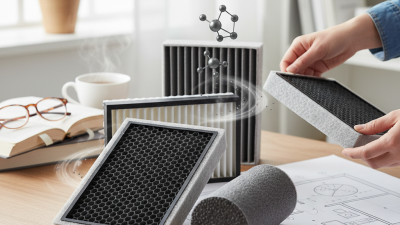
When considering different types of activated carbon filters, it's essential to evaluate their specific applications. Granular activated carbon (GAC) filters are commonly used for air and water purification. They capture larger particles and volatile organic compounds (VOCs) effectively. According to the Environmental Protection Agency (EPA), GAC filters can reduce contaminants like chlorine by up to 99%. However, they may not be as effective for smaller particulates or bacteria.
Powdered activated carbon (PAC) is another option, often used in municipal water treatment systems. It excels in rapid adsorption, making it suitable for removing taste and odor-causing substances. A study published in the Journal of Hazardous Materials indicated that PAC was effective in reducing pesticide residues in treated water. Still, it requires frequent replacement due to quick saturation.
Understanding your specific needs is crucial. If your primary concern is volatile organic compounds, GAC may be your best choice. For water clarity, PAC could be more suitable. Consider that activated carbon filters, while effective, do not remove all contaminants. Regular testing of water quality is advisable to ensure that all safety standards are met.
For effective usage, monitor the filter lifespan closely, as misuse can lead to reduced efficiency. Additionally, double-check installation instructions for optimal performance. Being informed allows for smarter choices and better air and water quality.
Assessing the Filter Efficiency and Lifespan of Activated Carbon Products
When choosing an activated carbon filter, efficiency and lifespan are crucial. Activated carbon filters work by adsorbing impurities in air and water. The filter's efficiency often depends on the material quality and structure. A well-made filter will capture more contaminants, providing cleaner air or water.
Consider the type of contaminants you need to target. Some filters excel at removing chlorine, while others focus on volatile organic compounds. Therefore, assessing what your filter is designed to remove helps in choosing effectively. It's also important to check the filter’s lifespan. Filters may require replacement every 3 to 6 months, depending on usage. Regular replacement ensures maximum effectiveness.
Look for filters that offer details on their testing and certifications. Transparency can indicate reliability. You might also consider your environment; high pollution areas may require more frequent changes. Think about your specific needs, and don’t hesitate to seek reviews and independent tests. Balancing expense and effectiveness is part of the decision. Keep in mind that not all brands offer clear information. Making an informed choice takes time and reflection.
Comparing Costs and Benefits of Various Activated Carbon Filter Brands
When selecting an activated carbon filter, understanding costs and benefits is crucial. The price range for these filters varies significantly. Basic models may start low, while premium filters can cost much more. It's essential to evaluate what each filter offers. Low-cost options may lack advanced features, leading to less effective filtration.
Brands differ in their carbon sources and pore structure. Some may use coconut shell carbon for better adsorption. Others might rely on less effective materials. This choice affects both performance and longevity. Filtering capacity is also key; higher capacity means less frequent replacements, which can reduce long-term costs.
Read consumer reviews to gauge real-world performance. Some filters might disappoint in heavy-duty settings. Visual comparisons help, but numbers alone can mislead. Often, people choose filters solely based on price, overlooking critical specifications. In the end, balance your budget with your filtration needs for optimal results.