How to Choose the Best Borehole Filters for Your Needs?
Choosing the best Borehole Filters is essential for ensuring clean water supply. With various types available, the selection process can be daunting. A well-chosen filter protects your water supply from contaminants, ensuring safety for your family or business.
Borehole Filters vary in materials, sizes, and specifications. Understanding your specific needs is crucial. Factors like water quality, flow rate, and installation space influence your decision. Many users overlook these aspects, leading to poor choices.
Selecting suitable Borehole Filters demands careful research and expert advice. Consider long-term reliability over initial cost. Quality filters offer better protection and last longer. Investing wisely guarantees peace of mind and cleaner water for years to come. Reflecting on your options is the first step to ensuring success in your selection.
Understanding Borehole Filters: Types and Functions
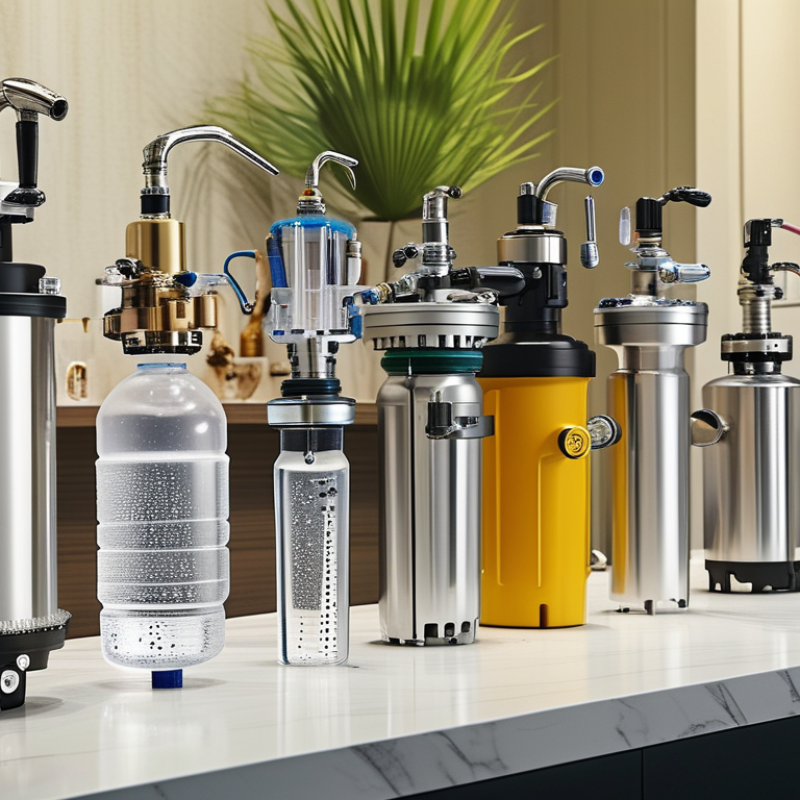
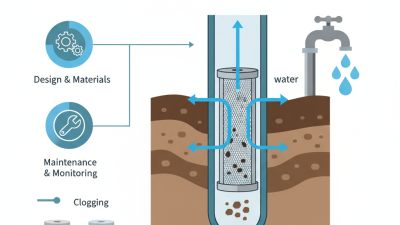
Borehole filters are essential for ensuring the quality of groundwater. There are several types of filters, each designed for specific functions. The common types include sediment filters, activated carbon filters, and UV filters. Sediment filters remove physical particles, while activated carbon filters eliminate contaminants like chlorine and odors. UV filters use ultraviolet light to disinfect water, removing harmful microorganisms.
Selecting the right borehole filter involves understanding water quality. Test the water before making a choice. This helps identify impurities present in your supply. For areas with high sediment levels, a sediment filter is a must. If you have concerns about chemical contamination, consider an activated carbon filter.
Maintaining filters is crucial. Regular replacement ensures optimal performance. Neglecting maintenance can lead to system failures or poor water quality. Monitor the flow rate; a decrease could indicate blockage. Keep an eye on the filter's lifespan, as outdated filters can introduce new problems.
Assessing Water Quality Requirements for Borehole Filtration
When considering borehole filtration, assessing water quality requirements is crucial. Understanding your local water supply's characteristics will guide you in selecting the most suitable filter for your needs. Analyze parameters like pH, turbidity, and the presence of harmful contaminants. Each region has unique water challenges, and knowing what you face is essential for effective filtration.
In your assessment, consider conducting a water test. This will provide concrete data to inform your decisions. Keep in mind that some contaminants may be more prevalent than others, and you may need a multi-stage filtration approach. Balance filtering depth and flow rates to ensure you meet your daily water demands while maintaining filtration effectiveness.
It's worth noting that not all filters perform equally in all conditions. Some may require regular maintenance or replacement. Be prepared for trial and error as you navigate through different options. Don't forget to gather feedback from users in your area. Their experiences can highlight potential challenges or advantages of specific filter types. Your water quality needs will evolve, so staying informed and adaptable is critical for continued success.
Key Factors to Consider When Choosing Borehole Filters
When selecting the best borehole filters, it’s crucial to consider several key factors. First, the filter material plays a significant role. Options include stainless steel, fiberglass, and PVC. Each material has unique properties that impact durability and filtration efficiency. According to industry reports, stainless steel is often preferred for its corrosion resistance and longevity. It demonstrates a lifespan increase of up to 30% compared to other materials in harsh conditions.
Another critical aspect is the micron rating of the filter. Most borehole filters operate within a range of 5 to 200 microns. Finer filters capture smaller particles but may require more maintenance. A study showed that filters with a 10-micron rating can remove over 95% of sediment, making them suitable for most domestic applications. Conversely, coarser filters may allow more particles, potentially leading to clogging and reducing efficiency.
Water chemistry also demands attention. Different contaminants require specific filtration methods. If your water supply has high turbidity or particulates, a multi-stage filter could be necessary. It would ensure effective removal without frequent replacements. Assessing well water quality prior to purchase is advisable. This approach helps avoid underperformance or unnecessary expenses down the line. Choosing wisely can make a significant difference in water quality management.
Comparing Borehole Filter Materials and Their Effectiveness
When evaluating borehole filter materials, effectiveness varies significantly. Common materials include stainless steel, PVC, and macro-porous media. According to a 2022 study by the American Water Works Association, stainless steel filters have a higher resistance to corrosion and longer lifespan in challenging conditions. They can last over 20 years when properly maintained. However, stainless steel can be more costly upfront.
PVC filters are lightweight and resistant to chemicals, making them suitable for many environments. Research indicates that they can maintain integrity for around 10 to 15 years. Nonetheless, their strength might be compromised under extreme pressure, leading to potential failures. Macro-porous media often provides excellent filtration but may require frequent replacements due to clogging over time. This could lead to increased operational costs.
Selecting the right material requires careful consideration of specific site conditions. A study by the Geological Society highlighted that an informed choice based on geological assessments can greatly improve filtration efficiency. Recognizing the limitations of each material is essential. Ongoing monitoring and maintenance are critical to ensuring long-term performance and reliability in borehole operations.
How to Choose the Best Borehole Filters for Your Needs? - Comparing Borehole Filter Materials and Their Effectiveness
| Filter Material |
Effectiveness (%) |
Lifespan (Years) |
Cost (per unit) |
Maintenance Frequency (Months) |
| Stainless Steel |
95 |
10 |
$50 |
12 |
| Polyester |
85 |
7 |
$30 |
6 |
| Ceramic |
90 |
15 |
$75 |
18 |
| Activated Carbon |
80 |
5 |
$25 |
4 |
| Sandstones |
88 |
12 |
$40 |
10 |
Maintenance and Lifespan of Borehole Filters: What to Know
Borehole filters are essential for ensuring clean water resources. To maximize their lifespan, consider the importance of regular maintenance. Clean filters can prevent clogs and improve water quality. Neglecting them may lead to diminished performance, requiring costly replacements.
Filtration systems benefit from periodic inspections. Check for blockages or signs of wear at least once every few months. Keeping a maintenance log can help track when filters were last serviced. This approach provides accountability and helps in anticipating future needs.
Think about the type of water source. Some boreholes may have higher sediment levels. In such cases, using more robust filters may be necessary. Over time, you may notice a drop in water flow, signaling that it might be time for a change. Always stay informed about the specific requirements of your borehole and its unique challenges. An adaptive strategy will enhance the longevity and efficacy of your filtration system.