Osmosis Filter Tips for Better Water Purification Solutions?
In today's world, clean drinking water is essential. The importance of effective water purification cannot be overstated. According to Dr. Emily Stone, a leading expert in water filtration technology, “An Osmosis Filter is crucial for achieving the highest water quality.” Her insights emphasize the need for reliable purification solutions.
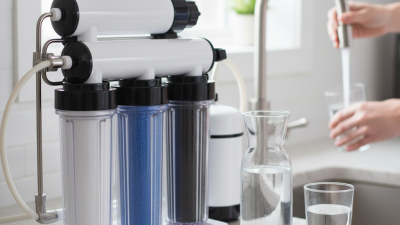
Osmosis Filters utilize a membrane to remove impurities from water. This process ensures that contaminants such as heavy metals and chemicals are effectively eliminated. However, many users are unaware of specific tips that can enhance the filter's performance. For instance, regular maintenance is vital to ensure optimal efficiency.
Additionally, it's important to choose the right type of Osmosis Filter for your needs. Some filters may not handle high contaminant levels well. This can lead to disappointment when the water quality does not meet expectations. Users must educate themselves on their filtration system to make informed choices. Understanding these aspects will lead to a more reliable and satisfactory experience with Osmosis Filters.
Understanding Osmosis: The Science Behind Water Purification
Osmosis is a natural phenomenon that plays a crucial role in water purification. It involves the movement of water across a semipermeable membrane, from an area of low solute concentration to high solute concentration. This process effectively filters out impurities, making water safer for consumption. According to industry reports, reverse osmosis systems can reduce contaminants by 95% to 99%. This remarkable data highlights the efficacy of osmosis in producing clean drinking water.
When selecting an osmosis filter, consider the quality of water in your region. Test your water for contaminants. This step is essential to determine the appropriate filtration system. Regular maintenance is also key. Replace filters as recommended to ensure optimal performance and longevity.
Incorporate post-filtration processes for added safety. Additional carbon filters can remove residual tastes or odors. These enhancements can elevate water quality further. Stay informed about filtration advancements. New technologies frequently emerge, improving purification efficiency. This proactive approach will keep your home water clean and healthy.
Types of Osmosis Filters: Choosing the Right One for Your Needs
Choosing the right osmosis filter can drastically improve your water purification experience. Different types of osmosis filters cater to various needs. For example, reverse osmosis (RO) systems are highly effective. According to a report by the Water Quality Association, they remove up to 99% of contaminants. In contrast, point-of-use (POU) systems target specific water sources in your home. Understanding your specific requirements ensures you pick the best option.
When selecting a filter, consider your water source and quality. If your water is hard or has high levels of contaminants, opt for a multi-stage reverse osmosis system. This type typically includes pre-filters and post-filters, offering comprehensive purification. However, not every household requires such a complex system. A single-stage filter might suffice for those with cleaner water sources.
Water pressure is another vital factor. A system needing consistent pressure may not function well in low-pressure regions. It's crucial to assess local water conditions before purchasing. Additionally, regularly checking filter lifespan and replacement costs can prevent unwanted surprises. Remember, an informed choice leads to better water quality and health benefits. Always prioritize evidence-based research when selecting your purification solution.
Maintenance Tips for Optimal Performance of Osmosis Filters
Maintaining an osmosis filter is crucial for ensuring optimal water purification. Regular maintenance can significantly improve the lifespan and performance of your system. According to industry reports, improper maintenance can lead to a reduction of up to 50% in purification efficiency. Simple tasks like changing filters every six to twelve months can prevent issues. A dedicated schedule for these tasks will help in enhancing water quality over time.
Keep an eye on water pressure. The ideal range is typically between 40-60 psi. Low pressure can indicate clogs or a malfunctioning pump, which may compromise filtration effectiveness. Checking for leaks regularly is also essential. Even small leaks can lead to significant water waste. Regular inspections can help identify problems early, saving you money and ensuring high water quality.
Use purified water for your osmosis system. Tap water contains various contaminants that may affect filter performance. If you live in an area with hard water, consider installing a pre-filtration system. This step can enhance the lifespan of your osmosis filter. Remember, awareness of these maintenance practices can transform your experience with water purification systems. They are vital for optimal results.
Common Issues with Osmosis Filters and How to Resolve Them
Osmosis filters are effective but can present various issues. Common challenges include low water pressure and membrane fouling. Low pressure affects purification efficiency. If you notice a decrease in water flow, it may indicate a need for adjustment or maintenance.
Regular cleaning is essential. Membranes can become clogged with contaminants over time. A simple solution is to flush the system periodically. This process can help maintain performance. Monitoring system pressure is also crucial. Make sure it stays within the recommended range for optimal operation.
To address foul odors or tastes, check the pre-filters. They can trap sediment and chemicals that affect water quality. Replacing them on a schedule can prevent these issues. Always consult your user manual for specific guidance on filter changes. Understanding these common problems enhances your water purification experience. Taking action promptly prevents long-term damage to the filtration system.
Osmosis Filter Tips for Better Water Purification Solutions
| Issue |
Description |
Solution |
| Low Water Pressure |
Insufficient water flow to the filter system. |
Check for clogs, clean or replace pre-filters, and ensure proper installation. |
| Bad Taste or Odor |
Unpleasant taste or smell in filtered water. |
Replace filter cartridges and flush the system regularly. |
| Frequent Filter Change |
Filters need replacement more often than recommended. |
Check for contamination in water source or installation issues. |
| Low Water Quality |
Filtered water does not meet standards. |
Test water quality, replace old filters, and check system functionality. |
| Leaks in System |
Water pooling around or leaking from the system. |
Inspect connections and seals, tightening or replacing as needed. |
Enhancing Water Quality: Additional Steps Beyond Osmosis Filtration
Osmosis filtration is a powerful method for purifying water. However, to enhance water quality further, consider incorporating additional steps into your purification process. These can significantly improve the overall efficiency of your water treatment system.
One effective approach is to use activated carbon filters. These filters absorb contaminants that reverse osmosis may miss. They effectively remove chlorine, volatile organic compounds, and other harmful substances. You might find that implementing a pre-filtration system makes a noticeable difference in the taste and odor of your water. Regularly replacing these filters is crucial for optimal performance.
Another vital step is to monitor your water quality consistently. Testing kits can provide insights into the presence of harmful substances. Regular checks ensure your filtration system is working correctly. It's essential to address any issues as they arise, rather than waiting for noticeable problems. This proactive approach will help maintain water quality and safety over time.
Osmosis Filter Tips for Better Water Purification
This bar chart illustrates the improvement in water quality measured in Total Dissolved Solids (TDS) before and after osmosis filtration, as well as after implementing additional purification steps. These enhancements demonstrate effective strategies for ensuring better water quality.