What is a Purified Water System and How Does It Work?
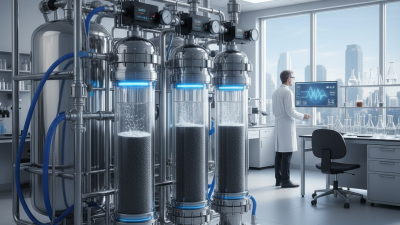
A Purified Water System is crucial for ensuring clean and safe drinking water. It utilizes various technologies to remove impurities, contaminants, and harmful microorganisms. As concerns about water quality rise, understanding how these systems operate has become essential.
Purified Water Systems typically employ methods like reverse osmosis, filtration, and ultraviolet light treatment. Each of these processes has its strengths and weaknesses. For instance, reverse osmosis is effective but may waste some water. It is important to reflect on the balance between efficiency and effectiveness.
Consumers must consider different types of purified water systems available today. Reliability is key. Choosing the right system can significantly impact health and well-being. Yet, it's easy to get overwhelmed by options. Being informed leads to better decisions for your family.
Definition of Purified Water System and Its Importance
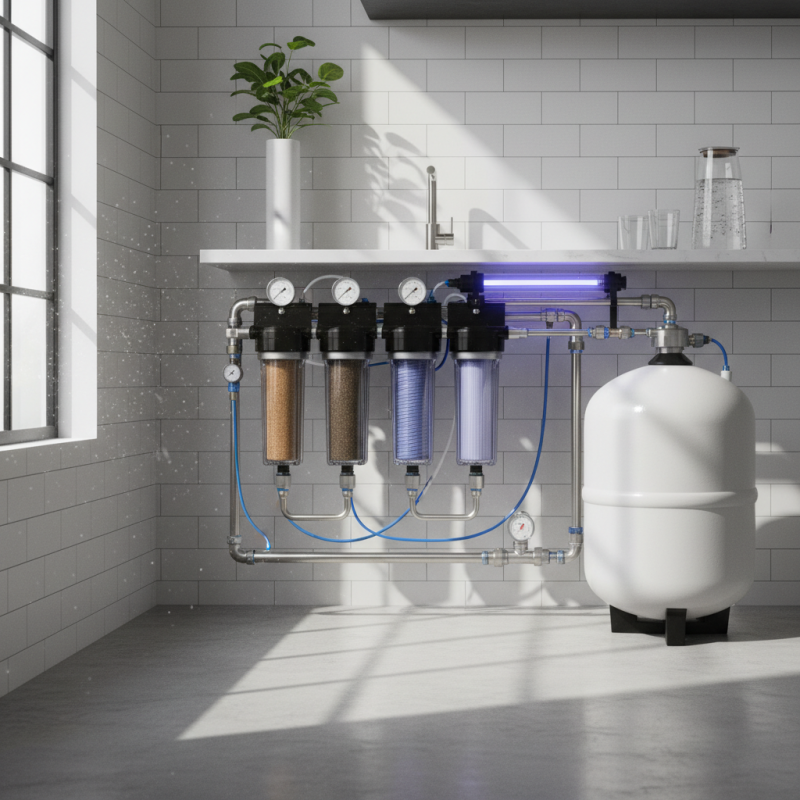
A purified water system is essential for ensuring access to clean drinking water. It uses various methods to remove impurities, harmful chemicals, and microorganisms. The system typically includes processes like reverse osmosis, carbon filtration, and UV purification. Each process plays a crucial role in maintaining water quality. Contaminated water can lead to health issues, making these systems vital for homes, businesses, and industries.
Tips for maintaining a purified water system: regularly check filters and change them as needed. This ensures optimal performance. Additionally, conduct periodic testing of water quality to identify any issues early on. Understanding how each component functions can help in troubleshooting problems effectively. Remember, even the best systems may require adjustments over time. It's important to reflect on these needs to maintain water safety.
In an era where water quality is often overlooked, the importance of a reliable purified water system cannot be stressed enough. Clean water supports health and well-being. However, it demands ongoing commitment to maintenance and regular updates. Embrace this responsibility to ensure the best quality drinking water for you and your loved ones.
Components and Technologies Used in Purified Water Systems
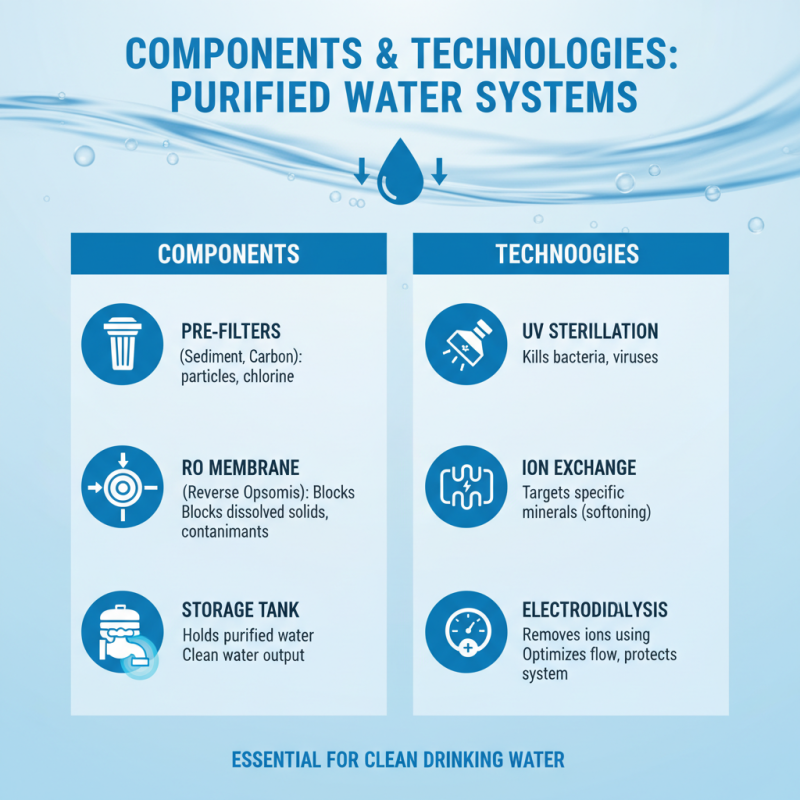
Purified water systems are essential for providing clean drinking water. They utilize various components and technologies to eliminate impurities. Understanding these elements helps ensure we maintain effective systems in our homes or businesses.
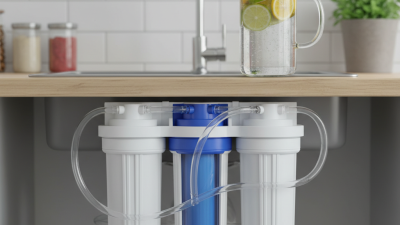
One core component is the sediment filter. This filter removes larger particles, like dirt and rust. It acts as the first line of defense. Next, activated carbon filters play a crucial role. They eliminate chlorine, bad taste, and odors. Membrane filtration, often through reverse osmosis, is another key technology. This process uses a semi-permeable membrane to remove tiny contaminants.
Tips: Regular maintenance is vital. Change filters as recommended to ensure optimal performance. Monitor water quality frequently. Sometimes, unexpected changes may indicate a system issue. Evaluate your setup regularly for effectiveness. Test water periodically for any lingering contaminants.
Step-by-Step Process of Purification in Water Systems
Purified water systems utilize a variety of techniques to ensure water is safe and clean for consumption. The purification process typically begins with pre-filtration. This stage removes large particles, such as sediment and dirt. Studies show that at least 80% of contaminants are removed during this step alone.
The next stage usually involves a chemical treatment. Commonly, chlorine or ozone is added to eliminate bacteria and viruses. According to the World Health Organization, proper disinfection can reduce waterborne illnesses by over 30%. After chemical treatment, the water passes through a carbon filter, which effectively removes chlorine taste and odor.
Finally, reverse osmosis is often implemented. This process pushes water through a membrane, isolating impurities. It's remarkable that reverse osmosis can eliminate up to 99% of dissolved solids. Despite the advancements, some may question the environmental impact of disposing of the waste produced during these processes.
The purification system’s complexity can lead to operational challenges that require constant monitoring. Understanding each stage’s role enhances the system's reliability. However, it's crucial to remember that even advanced systems can fail if maintenance is neglected. Regular checks are essential to uphold water quality.
Common Applications of Purified Water in Various Industries
Purified water systems are essential in many industries. These systems provide clean water, free from contaminants. Their applications vary widely, impacting healthcare, food and beverage, and pharmaceuticals.
In healthcare, purified water is crucial. It is used for sterile medical procedures and patient hydration. The quality of water affects patient safety. Many facilities rely on a rigorous purification process to ensure water safety.
The food and beverage industry also emphasizes purity. Water is a key ingredient in many products. Brewers and bottlers must ensure their water meets stringent quality guidelines. This is vital for taste and safety.
Tips: Ensure regular maintenance of your purification systems. Contaminants can build up over time. Monitor water quality frequently to avoid issues. It protects your brand reputation and customer health. Additionally, consider environmental impacts. Water waste during purification can be significant. Refining processes can reduce this waste.
Pharmaceuticals require the highest purity standards. Water is used in drug formulation and cleaning equipment. Any impurities can compromise product integrity. Manufacturers face strict regulations governing purification.
While purified water systems are effective, they need constant oversight. This helps address any unforeseen issues. Training staff on proper handling and maintenance is essential. A small oversight can lead to larger problems later.
Benefits and Limitations of Purified Water Systems
Purified water systems provide significant benefits. They remove contaminants, improving water quality. This is crucial for drinking, cooking, and bathing. The removal of chlorine, heavy metals, and bacteria enhances health and safety. Many people rely on them for peace of mind regarding water safety. Clean, pure water can taste better, making hydration more enjoyable.
However, these systems have limitations. They may not remove all types of contaminants effectively. Some systems struggle with dissolved salts or organic compounds. Regular maintenance is essential, as filter replacements can be costly. Also, the initial installation may require a financial investment.
Users should weigh these factors carefully before committing to a system. Are we always aware of the trade-offs? The convenience of clean water can come with hidden responsibilities.