

Choosing a China-based supplier for a Commercial Ro Water System takes more than comparing catalog prices. Commercial buyers need equipment that matches their water source, daily demand, and operating conditions. A system designed for a small café may not suit a food-processing line or a hotel. Capacity matters. So do membrane specifications, pretreatment, pump selection, and access to replacement filters.
In practice, installation details can shape performance as much as the equipment itself. Ask suppliers for flow-rate data, pretreatment recommendations, maintenance intervals, and clear warranty terms. Request drawings and component details, too. These basics matter. This guide explores how to assess Chinese suppliers through product range, technical support, manufacturing information, and communication before and after a sale. It also considers whether a supplier can explain its recommendations in terms of your actual feed-water report, rather than offering a generic configuration.
No single checklist removes every uncertainty. A polished product page is not proof of long-term reliability, and a low quotation may exclude important parts or services. Buyers should verify claims, compare like-for-like specifications, and clarify commissioning responsibilities before placing an order. Some details may remain uncertain until the supplier answers specific questions. That is worth acknowledging. The following overview offers a practical starting point for identifying suppliers and deciding which ones merit a closer technical review.
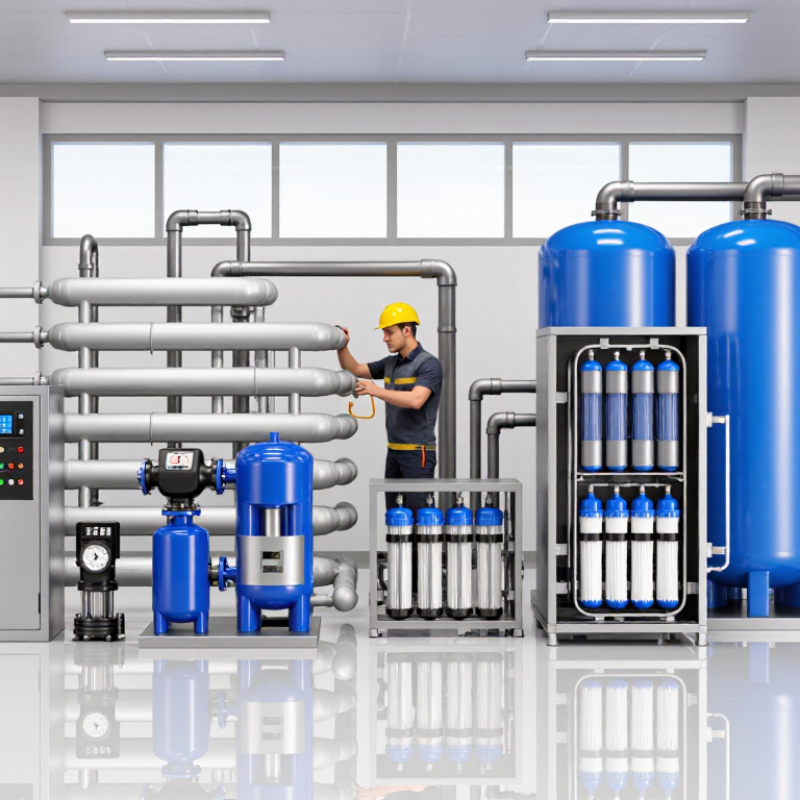
Commercial reverse osmosis systems remove dissolved salts and many other impurities by pushing feed water through a semipermeable membrane. Their performance depends on more than the membrane itself. Feed-water quality, daily demand, and operating conditions all shape the design.
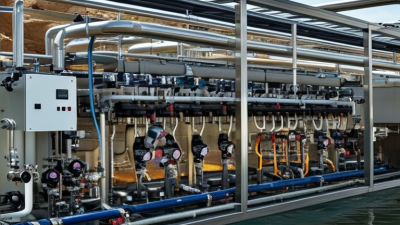
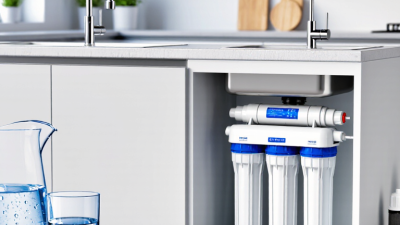
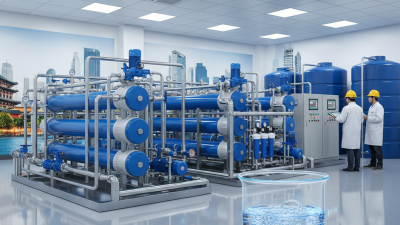
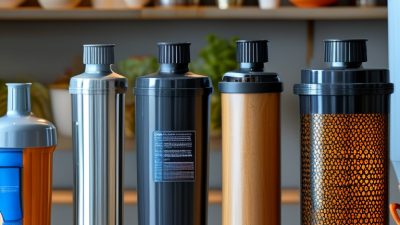
Pretreatment protects the system from sediment, chlorine, and scale-forming minerals. It may include sediment filters, carbon filters, and water softening, depending on the incoming water. A high-pressure pump then moves water through the membrane housing. The membrane separates purified permeate from a concentrated reject stream. Flow meters and pressure gauges help operators spot changes, such as a gradual rise in pressure or a drop in output. Small changes matter.
Controls monitor operation, while a storage tank can help meet short periods of peak demand. Post-treatment may include disinfection or mineral adjustment, depending on the intended use. During supplier discussions, ask how the proposed components match your water test results and cleaning requirements. A polished equipment list can still hide a weak design. I would also question any capacity estimate that ignores seasonal changes in feed water. Real systems need routine checks, and no component can compensate for poor maintenance.
China Best Commercial RO Water System Suppliers?
How China’s Commercial RO Supplier Market Is Structured
China’s commercial reverse osmosis market is better understood by supplier role than by a simple ranking. Some companies manufacture membranes, pumps, or pressure vessels. Others combine purchased components into complete systems for hotels, restaurants, factories, and office buildings. A third group focuses on project engineering, installation, and maintenance. Roles overlap. A supplier may design the skid but source key components elsewhere, so buyers should ask who is responsible for each part.
System integrators typically size equipment around feed-water conditions, daily demand, and operating hours. A restaurant may need a compact unit with a storage tank, while a food-processing site may require pretreatment and continuous output. Look for a clear process diagram, rated flow at stated conditions, and a service plan that names consumables and replacement intervals. A catalog figure alone can be misleading.
The market is not perfectly tidy. Some suppliers are strong in assembly but less prepared for overseas commissioning; others offer detailed engineering but limited local service. Request test records, component specifications, and references for applications similar to yours. Check how the supplier handles scaling, changing inlet-water quality, and unexpected downtime. I would not treat a polished brochure as proof of reliability. Even a well-designed system needs realistic maintenance planning.
China’s commercial reverse osmosis (RO) supply market includes several overlapping supplier types. A complete system may combine pretreatment, pumps, membrane elements, controls, tanks, post-treatment, installation, and ongoing service.
| Supplier Type | Typical Products or Services | Role in the Supply Chain | Common Buyer Fit | What to Verify Before Purchase |
|---|---|---|---|---|
| Complete-system manufacturers and integrators | Packaged commercial RO skids with pretreatment, high-pressure pumps, membrane housings, controls, and optional storage or post-treatment. | Design and assemble equipment from components sourced from multiple manufacturers; some also provide commissioning and technical support. | Facilities seeking a coordinated system from one principal supplier, such as hotels, food-service operations, schools, and light industry. | Feed-water assumptions, rated product-water flow, recovery and reject-water arrangements, electrical requirements, drawings, testing records, and the scope of installation support. |
| Membrane and membrane-element manufacturers | RO membrane elements and related technical data for brackish-water or other specified feed-water applications. | Supply a key separation component; they generally do not provide a complete, site-ready commercial treatment plant. | System builders, engineering contractors, and buyers replacing elements in existing equipment. | Element dimensions and compatibility, feed-water limits, operating conditions, performance test basis, traceability, and replacement guidance. |
| Component manufacturers and distributors | Pumps, pressure vessels, valves, flow meters, filters, dosing equipment, sensors, control panels, and fittings. | Supply individual parts used by system integrators, installers, or maintenance teams. | OEMs, engineering firms, and operators maintaining or modifying an existing RO system. | Material compatibility, pressure and flow ratings, connection standards, electrical specifications, product documentation, and spare-part availability. |
| Water-treatment engineering and project contractors | Water analysis, process design, equipment selection, system integration, installation, commissioning, and sometimes site-specific piping or electrical work. | Translate water-quality and operating requirements into a complete project; may purchase equipment from several suppliers. | Projects with variable feed water, multiple treatment stages, site constraints, or a need for coordinated installation. | Design responsibility, water-quality targets, project boundaries, commissioning tests, local permitting needs, and responsibility for performance after handover. |
| Export-focused manufacturers and trading suppliers | Packaged systems or sourced equipment prepared for overseas orders, often with export documentation and shipping coordination. | Connect overseas buyers with manufacturing capacity; the supplier may manufacture the equipment directly or coordinate third-party production. | Importers and distributors that can manage local installation, compliance checks, and after-sales service. | Who manufactures each item, exact bill of materials, inspection arrangements, shipping terms, export documents, warranty process, and access to technical support. |
| Installation and after-sales service providers | Installation, startup, membrane replacement, cleaning, troubleshooting, and routine maintenance. | Keep systems operating after delivery; service may be provided by the equipment supplier or by an independent local contractor. | Operators that need local response, planned maintenance, or support for equipment sourced from another region. | Service coverage, response times, technician experience, maintenance schedule, consumables availability, and whether service affects warranty coverage. |
| Private-label and OEM suppliers | Custom-labeled or buyer-specified systems assembled for distributors, importers, or other equipment sellers. | Produce or assemble equipment to a buyer’s specification; responsibilities can differ between the OEM, brand owner, and importer. | Businesses developing their own product line or sourcing equipment for resale. | Written product specifications, component substitutions, quality-control procedures, documentation ownership, warranty responsibility, and change-control terms. |
Supplier categories can overlap, and the word “manufacturer” alone does not establish who designs, assembles, tests, installs, or services a system. Compare suppliers using the same feed-water analysis, required treated-water quality, operating schedule, and site conditions; RO performance depends on these factors as well as system design and maintenance.
When comparing China-based commercial RO water system suppliers, start with the feedwater, not the catalogue. Ask for a design based on a recent water analysis, including hardness, conductivity, iron, and turbidity. A system sized for municipal water may struggle with a variable well supply. Request the projected permeate flow, recovery rate, and rejection rate, with test conditions clearly stated. Small details matter: a pretreatment filter that is difficult to replace can become a daily headache.
Energy claims need context. The International Energy Agency’s 2019 report, The Future of Desalination: A Global Outlook, places modern seawater reverse osmosis near 3–4 kWh per cubic metre. That is a comparison point, not a promise for every commercial unit; feedwater salinity and operating pressure change the result. Ask suppliers to show estimated energy use for your actual water conditions, alongside membrane replacement intervals and consumable costs. Numbers without assumptions are not very useful.
Check documentation and service capability, too. Request independent test records, applicable drinking-water certifications, control-panel alarms, and a clear parts list. Confirm who will troubleshoot a low-pressure alarm at 6 a.m., and how quickly replacement membranes can reach your site. Speak with operators using comparable feedwater and daily volumes. A polished proposal can still omit maintenance labor; that gap deserves a second look.
Comparing Supplier Capabilities, Certifications, and After-Sales Support
A commercial RO system must match the site’s flow demand, feed-water quality, and operating schedule. A capable supplier should explain recovery rate, operating pressure, and pretreatment needs in clear terms. Ask for design data based on a recent water analysis, not a generic capacity estimate. Look for practical details, such as whether the unit can fit through the facility’s service doorway. Small details matter.
Certifications need close reading. Check whether documents cover the exact system model and configuration being offered. For example, verify the scope and validity of any claimed product certification with its issuing body. An ISO 9001 certificate concerns a quality management system; it does not, by itself, prove water quality or RO performance. Request copies and confirm what each document actually covers. Paperwork is not performance.
After-sales support can shape daily operating costs. Confirm response times, commissioning arrangements, and access to replacement membranes, pumps, and filters. Ask whether technicians can train staff to record pressure readings and spot unusual changes in product-water flow. A warranty may sound reassuring, but exclusions and shipping delays deserve attention. No checklist catches everything; local service coverage is easy to overlook when comparing quotations.
Selecting a commercial reverse-osmosis supplier in China starts with the water, not the catalogue. Send a recent feed-water analysis covering TDS, hardness, iron, silica, and microbiology; request a design based on those results. UNESCO’s 2024 World Water Development Report estimates that agriculture accounts for about 70% of global freshwater withdrawals, underscoring how water needs vary by use. This is context, not a sizing rule. Ask suppliers to specify permeate flow, recovery, and conductivity under stated feed temperature and pressure. Numbers can mislead.
Verify the factory, not just the trading office. Review production records, component traceability, wiring diagrams, and a documented factory acceptance test. The test sheet should record feed conditions, product flow, rejection, and alarms. Where practical, arrange independent testing before shipment. WHO and UNICEF’s 2023 Joint Monitoring Programme reported that 2.2 billion people lacked safely managed drinking water in 2022. That global figure cannot verify any specific unit. Check certificates with their issuing bodies, and speak with operating customers using similar water sources and duty cycles. Ask about downtime, spare-part lead times, and actual recovery after commissioning. Ask for proof. A polished brochure still proves little, and supplier references may be selective.