China Top 10 Distilled Water Machine Suppliers?
Safe drinking water remains a global concern, not merely a commercial opportunity. The WHO and UNICEF Joint Monitoring Programme reported that 2.2 billion people lacked safely managed drinking water in 2022. This pressure supports continued investment in reliable treatment equipment, including the Distilled Water Machine. However, distilled water production requires careful evaluation. A bright stainless-steel cabinet does not prove stable performance.
This guide examines ten prominent Chinese suppliers serving laboratories, clinics, pharmaceutical facilities, food factories, and households. Market studies from Grand View Research and Fortune Business Insights indicate steady growth across water-treatment and purification equipment. Their findings also show rising demand for energy-efficient systems, compact designs, and dependable maintenance. These trends help explain China’s strong manufacturing position, but they do not make every supplier equal.
The comparison considers distillation capacity, heating efficiency, condenser design, material quality, control systems, testing records, certifications, customization, delivery experience, and after-sales support. Practical details matter. A laboratory may need a 4-liter unit with low conductivity water, while a factory may require continuous production and automatic shutdown protection. The best supplier depends on the application.
Not every ranking is absolute. Public supplier information can be incomplete, and specifications sometimes require independent verification. Buyers should request recent test reports, installation photographs, warranty terms, and references from comparable users. ISO documentation can support confidence, but it cannot replace performance testing. This is where careful judgment matters. The following list offers a structured starting point, not a final purchasing decision.
What Is a Distilled Water Machine and How Does It Work?
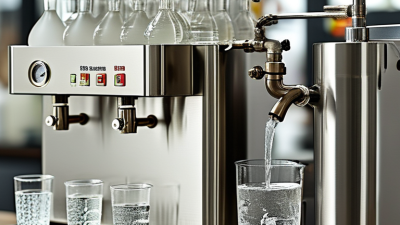
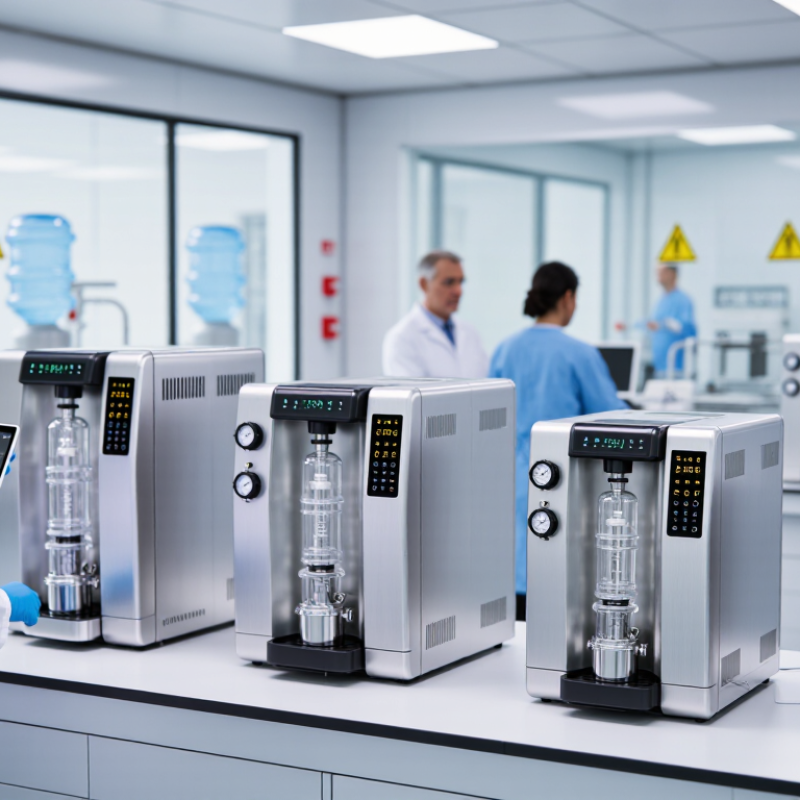
A distilled water machine purifies water through boiling and condensation. It does not simply filter water. The machine heats water until steam forms, while many dissolved minerals, salts, and heavy particles remain in the boiling chamber. The steam then travels into a cooler condenser. It becomes liquid again and collects in a clean container. In practical testing, the process resembles a small, controlled still used in laboratories and clinics.
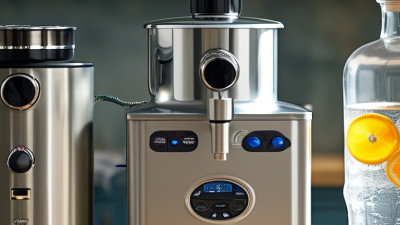
Most units include a stainless-steel boiling tank, heating element, condenser, fan, and collection bottle. A carbon filter may improve taste by reducing volatile compounds. However, it cannot replace proper cleaning. Scale often appears as a pale, chalky layer around the tank. That buildup can slow heating and increase energy use. Regular descaling supports stable performance and helps prevent unpleasant odors. The distilled water may taste flat because many minerals are removed.
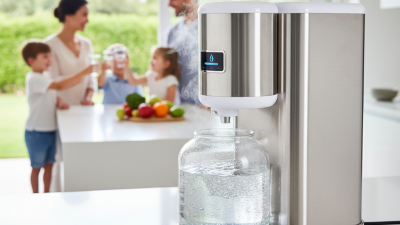
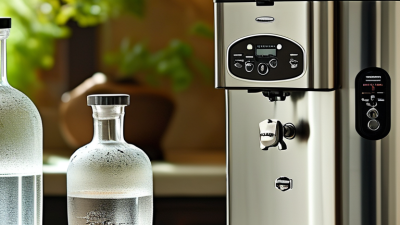
Output speed varies with tank size, heating power, and water temperature. A household unit may produce several liters within a few hours. Users should check the water chamber, seals, electrical safety, and replacement parts before choosing equipment. Supplier claims deserve careful verification through technical documents and service records. In my experience, a simple control panel is valuable, but it does not guarantee reliability. Poor ventilation can still shorten the machine’s working life. Distillation also consumes electricity, so operating costs should be measured, not guessed.
Key Criteria for Evaluating Distilled Water Machine Suppliers
China Top 10 Distilled Water Machine Suppliers?
Key Criteria for Evaluating Distilled Water Machine Suppliers
Choosing among China’s top distilled water machine suppliers requires evidence, not attractive catalogues. The WHO Guidelines for Drinking-water Quality, 2022, recommend risk-based control across treatment, storage, and distribution. Ask suppliers for feedwater analysis, distillate test results, and documented sampling procedures. A clear certificate should show conductivity, microbial results, test dates, and laboratory identity. A catalogue is not proof.
Energy performance deserves equal attention. The U.S. Energy Information Administration reports that industrial facilities remain major electricity users, making thermal efficiency a practical purchasing concern. Compare steam consumption, recovery systems, heat losses, and output per hour under identical feedwater conditions. UNESCO’s World Water Development Report 2024 states that agriculture accounts for about 70% of global freshwater withdrawals. Therefore, suppliers should disclose cooling-water demand and recycling options, not only production capacity.
Engineering support often separates a workable machine from an expensive mistake. Review material grades, weld quality, sensor calibration, automatic shutdowns, and spare-part availability. Request a factory acceptance test with your actual water profile. I would also inspect service records from existing installations, while recognizing that references can be selective. Some supplier claims may be technically correct but incomplete. That matters. Evaluate validation documents, operator training, warranty limits, and response times before comparing prices. A cheaper unit may quietly consume more steam, water, and maintenance hours.
China’s Top 10 Distilled Water Machine Suppliers
China’s Top 10 Distilled Water Machine Suppliers should be judged by evidence, not search rankings. Industry estimates place the global water purifier market near USD 30 billion in 2023, with continued growth through 2030 (Grand View Research, 2024). Distilled water equipment remains a smaller segment, serving laboratories, clinics, food plants, and households. Supplier comparison should examine output, material quality, energy use, and after-sales support.
A practical evaluation starts with the machine chamber. A 4-liter stainless-steel unit may produce roughly 0.8 to 1.2 liters hourly, depending on heating power and cooling design. Look for documented testing under IEC electrical safety requirements and clear statements about food-contact materials. The WHO Guidelines for Drinking-water Quality stress monitoring, maintenance, and source control, not purification claims alone (WHO, 2022). That distinction matters.
The strongest suppliers usually provide factory audit records, batch inspection reports, wiring diagrams, and replaceable condenser parts. Ask for conductivity results, production capacity, warranty terms, and sample testing before placing an order. Certification logos alone are not enough. Sometimes, they hide weak documentation.
Buyers should also check noise levels, steam handling, cleaning access, and shipping protection. The UN-Water 2024 update reported that billions still lack safely managed drinking water, yet distilled water is not automatically the best solution for every community. This is where supplier advice can become too general. A careful shortlist of China’s top 10 suppliers should reward transparent data, repeatable performance, and realistic technical claims.
China Top 10 Distilled Water Machine Suppliers? - China’s Top 10 Distilled Water Machine Suppliers
| Rank |
Anonymized Supplier Profile |
Main Production Region |
Typical Equipment Type |
Typical Capacity Range |
Heating Method |
Common Material |
Typical Lead Time |
Common Compliance Documents |
| 1 |
Large-scale industrial water-treatment manufacturer |
Jiangsu |
Multi-effect distilled water system |
500–10,000 L/h |
Steam heating |
316L stainless steel |
8–16 weeks |
Factory test report, material certificate, pressure test records |
| 2 |
Pharmaceutical water-system integrator |
Zhejiang |
Pharmaceutical distilled-water generator |
100–3,000 L/h |
Electric or clean steam |
316L stainless steel |
6–14 weeks |
Factory acceptance test, welding records, surface-finish report |
| 3 |
Laboratory equipment specialist |
Shanghai |
Bench-top and floor-standing distillers |
4–30 L/h |
Electric heating |
304 stainless steel |
3–8 weeks |
CE documentation, electrical safety test, user manual |
| 4 |
Compact commercial equipment manufacturer |
Guangdong |
Automatic single-effect distiller |
10–100 L/h |
Electric heating |
304 stainless steel |
4–10 weeks |
CE documentation, electrical test report, packing list |
| 5 |
Custom skid-mounted system builder |
Shandong |
Industrial skid-mounted distiller |
200–5,000 L/h |
Steam or thermal-oil heating |
304 or 316L stainless steel |
8–18 weeks |
P&ID, FAT documents, pressure-test report, spare-parts list |
| 6 |
Water purification and pretreatment supplier |
Henan |
RO–EDI–distillation integrated system |
100–2,000 L/h |
Electric or steam heating |
304 stainless steel with 316L process parts |
6–14 weeks |
Water-quality test report, electrical documents, commissioning record |
| 7 |
Food and beverage process-equipment supplier |
Fujian |
Sanitary water distillation unit |
50–1,500 L/h |
Steam heating |
304 or 316L stainless steel |
6–12 weeks |
Sanitary design records, material certificate, factory test report |
| 8 |
Export-oriented standard equipment supplier |
Guangdong |
Standard electric water distiller |
4–50 L/h |
Electric heating |
304 stainless steel |
3–7 weeks |
CE documentation, commercial invoice, packing list, test report |
| 9 |
Medical and healthcare equipment supplier |
Jiangsu |
Medical-grade distilled-water generator |
10–200 L/h |
Electric heating |
304 stainless steel |
4–10 weeks |
Electrical safety documentation, user manual, factory test report |
| 10 |
Small-batch OEM and private-label manufacturer |
Zhejiang |
OEM laboratory and commercial distillers |
4–100 L/h |
Electric heating |
304 stainless steel |
4–12 weeks |
CE documentation, OEM inspection report, packing and shipping documents |
Note: Capacity, materials, lead times, and documentation vary by model and project specification. Buyers should verify current technical data, certifications, production capability, and after-sales support directly with each supplier before placing an order.
How to Choose the Right Chinese Supplier for Your Needs
How to Choose the Right Chinese Supplier for Your Needs
Choosing a Chinese distilled water machine supplier requires more than comparing online prices. Define your water output, feedwater quality, power supply, installation space, and daily operating hours. A small clinic and a beverage plant need very different systems. Write these requirements before contacting suppliers. It prevents attractive but unsuitable quotations.
Ask for technical drawings, treatment capacity, material specifications, and recent test records. Check whether the machine uses suitable contact materials and supports cleaning procedures. Request a water sample test when possible. A supplier that explains conductivity, microbial control, energy use, and maintenance clearly shows practical expertise. Certifications matter, but verify their scope and issuing organization. Do not accept copied certificates without checking.
Factory communication also reveals reliability. Can the team answer detailed questions without vague promises? Ask for production photos, inspection steps, spare-parts lists, and response times after installation. A video audit helps, but it cannot replace an independent inspection. I have seen neat brochures hide weak documentation. That mistake is easy to make. Compare the full cost, including shipping, installation, filters, electricity, training, and future repairs. Request a written quotation with defined performance conditions. A cheaper machine may become expensive when downtime starts. Leave room for doubt, especially when delivery schedules sound unrealistically perfect.
China Top 10 Distilled Water Machine Suppliers? How to Choose the Right Chinese Supplier for Your Needs
Use this standards-based procurement scorecard to compare suppliers without relying only on price. The recommended weights reflect the practical importance of water quality, production performance, compliance, service, and total cost when evaluating distilled water equipment.
Suggested evaluation weighting: verify conductivity and material specifications against your required water standard, then confirm validated capacity, safety compliance, after-sales support, and lifecycle cost before selecting a supplier.