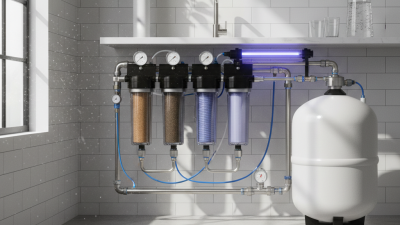


The demand for pure and clean drinking water is rising. According to the Environmental Protection Agency (EPA), about 30% of Americans are concerned about their water quality. This has led many people to explore options for home water purification. One solution that stands out is the Distilled Water Machine.
Choosing the right distilled water machine can be daunting. Not all machines are created equal. The market is flooded with various options, each boasting different features and capacities. A study by the Water Quality Association indicates that not all machines effectively eliminate contaminants. Consumers need reliable data to ensure the machine they choose meets their needs.
Moreover, awareness of health risks is essential. Experts suggest that improperly distilled water may still harbor impurities. Thus, it’s crucial to weigh the benefits and drawbacks of each model. Evaluating user reviews and expert opinions can help establish trust in a product’s reliability. Ultimately, being informed is key to making the best choice for one's health and safety.
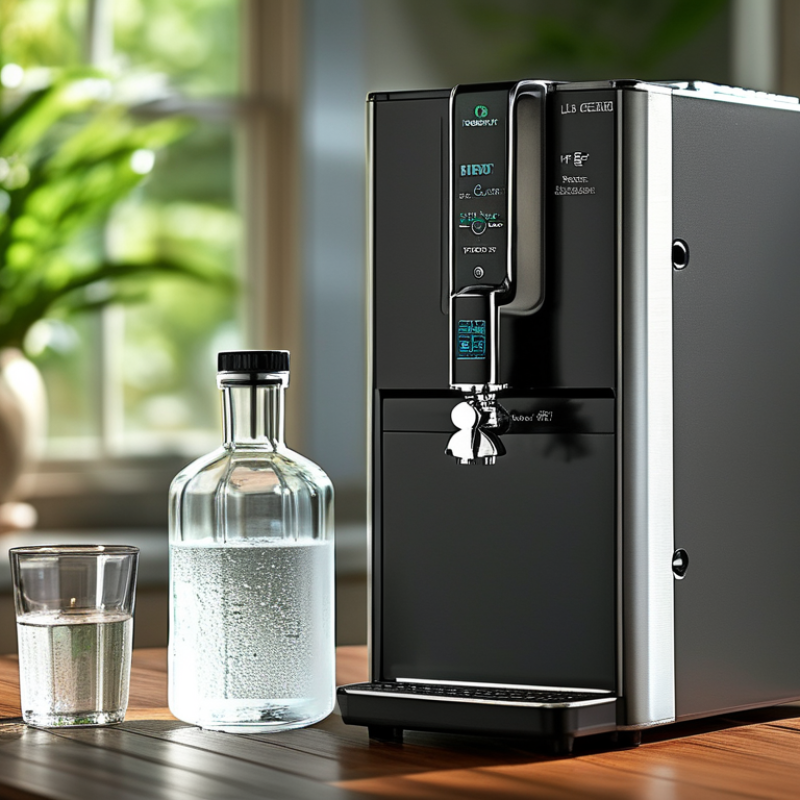
Distilled water is simply water that has been boiled and then condensed back into liquid form. This process removes impurities, minerals, and toxins. As a result, distilled water is often praised for its purity. People who prioritize clean hydration may find distilled water beneficial. It helps in avoiding contaminants commonly found in tap water.
Health benefits of distilled water include better hydration and detoxification. Some claim it can support better digestion and nourishment. However, this water lacks minerals, which are essential for bodily functions. Drinking distilled water might not provide adequate electrolyte balancing. Individuals with specific healthcare needs should consider this factor when making choices.
While distilled water can be advantageous, too much reliance on it might not be ideal. Some experts debate its role compared to mineral-rich water. Understanding individual needs is vital, as hydration is not one-size-fits-all. Keep in mind that consulting with a healthcare professional can offer tailored advice. This approach ensures that personal health and hydration goals are met effectively.
When selecting a distilled water machine, several key features should guide your decision. The first aspect is the purification capacity. High-quality machines can produce up to 1 gallon of distilled water in about 5-6 hours. A report by the Water Quality Association states that adequate purification goes beyond just boiling. An efficient machine should remove impurities, including contaminants and chemicals.
Another crucial feature is the energy consumption. Machines operating at lower wattage are more sustainable and cost-effective. The average distilled water machine consumes around 500 watts, according to industry benchmarks. Choosing a model with energy-efficient settings can ensure lower electricity bills while maintaining functionality.
Additionally, consider the build quality and ease of use. Stainless steel components are often more durable. Some machines offer features like automatic shut-off and refill indicators, enhancing convenience. In everyday use, these features may seem minor, but they significantly impact usability over time. Keeping these elements in mind can prevent potential frustrations.
Choosing the right distilled water machine involves careful evaluation. Rely on reputable sources and weigh the options before making a decision. A thoughtful analysis will lead to better satisfaction with your purchase.
When choosing a distilled water machine, it's essential to assess the features of various models. Some machines offer greater water output, while others focus on energy efficiency. Look for those that use high-quality materials, as durability can impact performance. The heating element is crucial; some machines heat water more evenly than others. Variations in the price may correspond to these features.
User feedback plays an important role in this analysis. Many users have reported varying experiences with specific models. Some machines operate quietly, while others can be quite loud. Efficiency ratings also vary significantly. Research is needed to find a balance between speed and quality of distilled water produced.
While most machines can do the job, reliability issues can arise. Settling for lower-priced options might mean facing frequent breakdowns. Consider the maintenance requirements as well; some models require regular cleaning, adding to long-term costs. Understanding these aspects leads to a machine well suited to your needs.
When budgeting for a distilled water machine, consider initial costs and long-term savings. A higher upfront investment can lead to better quality water. However, less expensive models may require frequent maintenance. Think about how often you’ll use the machine. Frequent users might save more with a durable model, even if it costs more.
Evaluate the cost of distilled water itself. Buying bottled water regularly adds up over time. Owning a machine can reduce these costs significantly. Take into account the quality of water needed for your purposes. Some machines filter out more contaminants than others. Aligning your choice with your specific needs is crucial.
Reflect on the maintenance costs too. Some machines require filter replacements and regular servicing. These costs vary widely. Make a checklist of expected expenses to ensure you stay within budget. Think about how often you might need to buy filters. An affordable machine may not be a bargain in the end if maintenance is expensive.
This chart illustrates the cost associated with three different types of distilled water machines: economical, mid-range, and premium models. Analyzing the cost can help consumers assess their budgets and choose the right machine that balances functionality with affordability.
Maintaining a distilled water machine is crucial for its longevity. Regular cleaning is essential to prevent mineral buildup. Tap water can leave deposits inside. It’s advisable to rinse the tank after each use. This simple practice helps enhance performance.
Another consideration is the filter replacement schedule. Many machines require filter changes every few months. Ignoring this can lead to diminished water quality. Always check the manufacturer's recommendations for specific timelines. Staying consistent with this task ensures that your distilled water remains safe and effective for your needs.
Lastly, consider the machine's environment. Dust and humidity can impact its efficiency. Place the machine in a clean, dry area to avoid potential issues. A cluttered space can lead to overheating or malfunction. Regularly inspect power cords and connections to ensure safety. These small actions can greatly extend the life of your water distiller.
| Feature | Importance | Tips for Maintenance | Expected Lifespan |
|---|---|---|---|
| Filtration Quality | Essential for pure water | Replace filters regularly | 3-5 years |
| Capacity | Important for usage needs | Choose based on frequency of use | 2-6 years |
| Energy Efficiency | Reduces electricity costs | Unplug when not in use | 5-10 years |
| Ease of Cleaning | Affects convenience | Follow manufacturer cleaning instructions | 2-4 years |
| Noise Level | Affects user comfort | Regular maintenance helps | 3-7 years |