

Demand for cleaner water and air is making the Activated Carbon Filter industry more important in 2026. The World Health Organization and UNICEF Joint Monitoring Programme reported that 2.2 billion people lacked safely managed drinking water in 2022. That gap keeps filtration technology highly relevant.
Market forecasts also show steady commercial growth. MarketsandMarkets estimated the global activated carbon market at approximately USD 4.8 billion in 2023, with continued expansion expected through 2028. Forecasts differ by scope and methodology. That difference matters.
Activated carbon filters are not interchangeable products. Carbon type, iodine number, surface area, contact time, pressure drop, and replacement intervals influence performance. A granular carbon cartridge may suit chlorine reduction, while catalytic carbon can perform better against chloramine. Certification remains essential. NSF/ANSI 42 commonly addresses aesthetic effects, while NSF/ANSI 53 covers specific health-related contaminant claims. Buyers should verify the exact claim, not just the logo.
This guide examines 10 Best Activated Carbon Filter Suppliers in 2026. It considers manufacturing experience, media quality, testing transparency, certifications, customization, distribution reach, and after-sales support. Public technical documents and recognized industry standards provide the foundation.
No ranking is perfect.
A supplier may look impressive on paper but struggle with lead times, documentation, or consistent batch quality. That is why practical details matter, including cartridge dimensions, flow rates, laboratory reports, and service responsiveness. The selected companies represent credible options, but buyers should still validate local compliance and application requirements before purchasing.
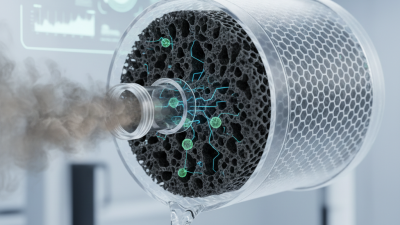
Activated carbon filters remove contaminants through adsorption, not ordinary straining. Their porous carbon surface attracts many organic compounds, chlorine, and unpleasant odors. Water passes through tiny pores, where these substances attach to the carbon. The process needs sufficient contact time. Fast flow can reduce performance.
Granular activated carbon works well in household cartridges and larger treatment vessels. Powdered carbon is mixed into water, then separated afterward.
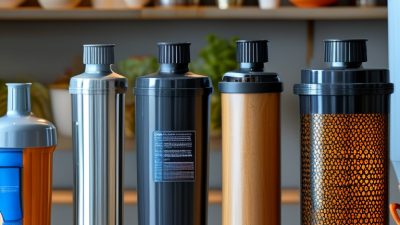
Carbon block filters compress fine particles into a solid structure. They often provide better sediment control, but pressure can drop sooner. Each type suits different water conditions.
Real inspections show that filter size matters as much as carbon quality. A small cartridge may look clean while its adsorption capacity is already exhausted. Replacement schedules should follow laboratory testing, usage volume, and manufacturer data. Taste and odor are useful warnings, but they are not complete safety tests. I once saw a filter continue operating after a pressure increase; the owner assumed it was normal. It was not. Sediment had blocked the surface.
Activated carbon does not reliably remove every dissolved salt, mineral, microbe, or metal. Pre-filtration can protect the carbon and extend service life. Testing before and after treatment gives suppliers and users stronger evidence. Good selection depends on contaminant type, flow rate, contact time, and maintenance discipline. Some systems still need additional treatment.
How to Assess Activated Carbon Filter Suppliers in 2026
Choosing an activated carbon filter supplier requires more than comparing prices. Ask for recent test reports covering iodine number, moisture, ash, hardness, and pressure drop. These figures show how the carbon may perform under real operating conditions. A high iodine value alone does not guarantee effective contaminant removal. The carbon source, pore structure, and target water chemistry also matter. Request a sample before signing a large contract. Place it in a small test column and record flow rate, odor reduction, turbidity, and service life. Real water often behaves differently from laboratory water.
Traceability should be easy to verify. Reliable suppliers can identify the production batch, raw material, activation method, packaging date, and storage conditions. Inspect the bags for broken seals, fine dust, and moisture damage. Ask how they control batch variation. A clear answer matters. Technical support is equally important. Experienced teams should help calculate bed depth, contact time, backwash needs, and replacement intervals. They should also explain limitations without promising perfect results.
Supplier audits can reveal practical weaknesses. Review calibration records, quality procedures, complaint handling, and delivery history. Check whether certificates match the actual product, not only a generic product sheet. I have learned that impressive documents can hide inconsistent field performance. My assessment can be incomplete if I ignore seasonal changes in water quality. Run a pilot test during different operating conditions when possible. A dependable supplier welcomes difficult questions and shares evidence, even when the answer is inconvenient.
Anonymous supplier comparison using common activated-carbon filtration specifications and procurement benchmarks
| Rank | Anonymous Supplier Profile | Primary Carbon Feedstock | Typical Iodine Number (mg/g) |
Available Filter Formats | Common Applications | Typical Lead Time | Documentation Readiness | Technical Support | Assessment Score |
|---|---|---|---|---|---|---|---|---|---|
| 1 | Supplier Profile 01 | Bituminous coal | 900–1,100 | Carbon block, granular beds, cartridge media | Municipal water, industrial process water, VOC reduction | 4–8 weeks | High | Advanced | 9.2/10 |
| 2 | Supplier Profile 02 | Coconut shell | 950–1,200 | Granular activated carbon, impregnated media, cartridges | Drinking water, point-of-use systems, air purification | 3–7 weeks | High | Advanced | 9.0/10 |
| 3 | Supplier Profile 03 | Wood-based | 700–1,000 | Powdered carbon, filter aid, specialty cartridges | Color removal, wastewater treatment, food and beverage processing | 4–9 weeks | High | Good | 8.8/10 |
| 4 | Supplier Profile 04 | Coconut shell | 850–1,150 | Extruded carbon block, granular media, inline filters | Residential drinking water, under-sink systems, food service | 5–10 weeks | High | Good | 8.6/10 |
| 5 | Supplier Profile 05 | Bituminous coal | 800–1,050 | Granular beds, pressure-vessel media, bulk bags | Groundwater remediation, industrial wastewater, odor control | 6–12 weeks | Good | Advanced | 8.4/10 |
| 6 | Supplier Profile 06 | Wood-based | 600–950 | Powdered carbon, liquid-phase media, filter cartridges | Decolorization, pharmaceutical processing, chemical purification | 5–11 weeks | Good | Advanced | 8.2/10 |
| 7 | Supplier Profile 07 | Coconut shell | 900–1,100 | Granular media, carbon block, replacement cartridges | Point-of-entry water systems, beverage water, aquaculture | 6–10 weeks | Good | Good | 8.0/10 |
| 8 | Supplier Profile 08 | Bituminous coal | 850–1,000 | Granular media, catalytic carbon, odor-control filters | Air treatment, landfill gas, wastewater odor management | 7–13 weeks | Good | Good | 7.8/10 |
| 9 | Supplier Profile 09 | Wood-based | 650–900 | Powdered carbon, filter aid, liquid-phase cartridges | Sugar refining, edible oils, chemicals, wastewater polishing | 6–14 weeks | Moderate | Good | 7.6/10 |
| 10 | Supplier Profile 10 | Mixed mineral and coconut feedstock | 750–1,050 | Granular media, carbon block, specialty impregnated filters | Industrial water, chemical processing, gas purification | 8–16 weeks | Moderate | Specialized | 7.4/10 |
The activated carbon market is expanding with rising demand for cleaner industrial and municipal water. Grand View Research estimated the global market at about USD 5.4 billion in 2023, with continued growth projected through 2030. This trend creates more supplier choices, but not every catalog specification reflects field performance.
Ten leading suppliers should be assessed through evidence, not visibility. Look for iodine number, carbon source, particle size, pressure-drop data, and contaminant-specific test results. A supplier offering pilot testing deserves closer attention.
The equipment should also match the flow rate, contact time, and expected organic load. A small laboratory vessel can reveal breakthrough risks before full installation. That detail matters.
Check compliance documentation carefully. AWWA B600 provides recognized guidance for granular activated carbon used in water treatment, while the U.S. EPA explains that activated carbon performance depends strongly on contaminant type and operating conditions. Ask for recent certificates of analysis, batch traceability, replacement schedules, and reactivation records.
Some suppliers provide impressive removal percentages without stating influent concentration or testing duration. That is a weakness.
My practical view is simple: supplier claims should survive independent testing, although procurement teams sometimes overvalue low purchase prices. A cheaper filter can create higher costs through early replacement, disposal, or unexpected pressure loss.
Choosing among the 10 best activated carbon filter suppliers requires more than comparing prices. Review carbon type, iodine number, pore distribution, and removal targets. Coconut-shell carbon often supports low-molecular-weight contaminants, while coal-based carbon may offer broader pore structures. Ask for batch test reports, not only product brochures. Small details matter.
Certifications should match the application. ISO 9001 indicates controlled quality processes, but it does not prove filtration performance. For drinking-water projects, check relevant NSF/ANSI or regional approvals. Independent laboratory results should show pressure drop, adsorption capacity, extractables, and microbial controls. A supplier should also provide traceability from raw carbon to finished cartridge.
Capacity deserves a practical review. Confirm annual output, cartridge dimensions, mold availability, minimum order quantities, and typical lead times. A factory producing thousands of units monthly may still struggle with an urgent custom order. Ask how it manages activated carbon dust, sealing, packaging, and storage humidity. Industry coverage is another useful test: water treatment, wastewater, food processing, pharmaceutical production, and air purification require different designs. A broad portfolio can help, but it may also hide shallow technical support. Request application data from comparable systems. Claims without operating conditions remain weak evidence.
How to Choose the Right Activated Carbon Filter Supplier
Choosing among the 10 best activated carbon filter suppliers in 2026 requires more than comparing prices. The WHO and UNICEF Joint Monitoring Programme reported that 2.2 billion people lacked safely managed drinking water in 2022. That pressure increases demand for dependable treatment systems. Ask suppliers for recent batch test results, adsorption capacity data, and carbon origin. Iodine number matters, but it does not predict every contaminant’s removal.
Match the carbon to your water chemistry. The U.S. EPA Drinking Water Treatability Database identifies granular activated carbon as an established option for many organic contaminants, including several PFAS compounds. Still, performance depends on contact time, competing pollutants, temperature, and flow rate. Request a pilot test using your actual water. Laboratory claims can look impressive. Field conditions are less polite.
Check compliance with recognized specifications, such as AWWA B600 for granular activated carbon. Review pressure-drop curves, replacement intervals, and disposal procedures before signing a contract. A reliable supplier should explain breakthrough monitoring in plain language and provide traceable certificates. Look for engineering support after installation, not only a polished quotation. Price is not performance. Test the carbon. Even experienced buyers can overvalue headline capacity and overlook maintenance access, operator training, or seasonal changes. That is where many projects quietly lose efficiency.
Recommended weighting for comparing activated carbon suppliers without relying on brand or company data
For filtration projects, removal performance should carry the greatest weight because iodine number, pore structure, contact time, and contaminant compatibility directly affect treatment results. Certification, batch consistency, technical support, delivery reliability, and total cost should then be assessed to reduce compliance, operational, and supply-chain risks. The percentages represent a practical procurement scorecard and should be adjusted to match the application, water chemistry, and required certifications.